
EcoWest News, May 19, 2026
Welcome to EcoWest News, a weekly round-up of news and resources that you can put to use in addressing environmental issues and protecting the wild in your community.
Biodiversity
“Do insects feel pain? Crickets certainly seem to, according to new research which finds they stroke and groom a sore antenna in much the same way as a dog nurses its hurt paw.” [The Guardian]
Worms till and enrich the soil in ways that much of our food and agriculture system depends on. To create climate conditions that favor one species of worm over another risks unintended consequences. [Sierra Club]
Grasslands
The new Grassland Learning and Knowledge Hub, University of Alberta, will build understanding of what motivates conservation of the ecosystem by bringing different sectors together to consider the financial, cultural, spiritual, and policy aspects of grasslands conservation and to get involved in protecting what is left. [UAlberta]
The Saskatchewan government is selling 4 parcels of Crown land in Corman Park. “Although this land is under the wing of Highways, why would it not be considered in the same way as Saskatchewan Agriculture’s moratorium on the sale of Crown agricultural land?” [Pasture Posts]
Environmental Oversight
The federal government is proposing a massive shift in the way federal projects are assessed. The changes are harshly criticized by environmental groups and First Nations. [The Narwhal]
West Coast Environmental Law is calling on Canadians to tell Prime Minister Carney, his Cabinet and their MPs to halt proposed project deregulation as it would seriously weaken environmental oversight, posing serious risks for people and biodiversity. [WCEL]
Communicating
Country singer Corb Lund “is willing to stake his reputation on coal mines. He sees himself as the steward of the land for future generations, and a coal mine would change the land irrevocably.’” [The Walrus]
Artvocacy brings together artists, writers, photographers, and community members across the Okanagan who care deeply about the land they live on. Participants develop a creative project – a photo series, a short film, a zine, a mural, a community event – that connects their artistic practice to a conservation issue. [CPAWS-BC]
Communicating conservation bright spots is vital for inspiring public confidence, but experts caution against over-simplification as balanced messaging is essential to convey the complexities of conservation with realism. [Parks Journal, PDF]
Natural Resources
Spanish solar farms are required to mitigate harm to the environment. Many install bird nesting boxes, but they’re poorly designed, threatening to kill juvenile birds and warp local food webs, and they attract the wrong clientele. [bioGraphic]
Pollution
Physicians, environmental advocates, and community members are calling for more definitive monitoring and investigations into the health and environmental effects of Alberta’s oil and gas industry. [The Energy Mix]
Catering and fireworks cause unexpected air pollution, impacting players and audiences at large-scale sporting events. [The Guardian]
Making a Difference
South Korea recycles over 95% of its food waste. Once collected, the food waste is processed for useful things – chicken feed pellets, compost, biogas. [Earthbound Report]
Rugby player Kevin Wekesa founded Play Green, an organization connecting sport with climate change. Play Green focuses on children “because they are inheriting the climate crisis” and involves them as active participants in protecting their environment. [The Guardian]
A coalition of ecologists, community growers, transport authorities, cultural institutions, football clubs, and residents will work together to reconnect isolated pockets of wildlife and pollinators along a 14- mile nature corridor through some of London's most nature-deprived communities. “This means community gardens, rooftops, canal banks, sports fields and backyard streets could be part of building the interconnected hub of urban wildlife”. [BBC]
Nature’s Wonders
Ants don’t have or need leaders. Instead, ants respond to cues left behind by other individuals to work on joint projects such as collecting food or constructing a nest. [The Conversation]
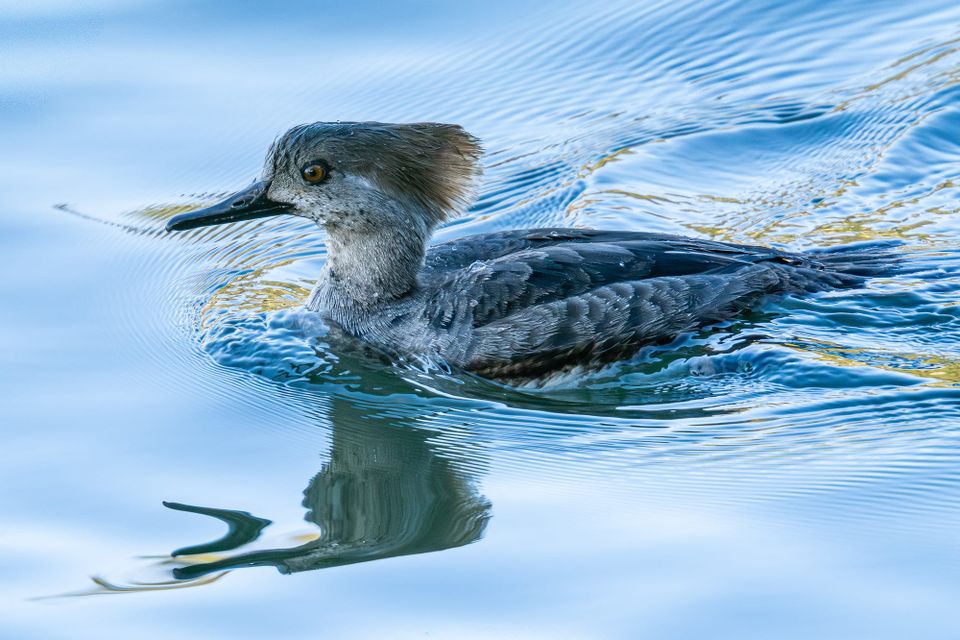
Photo credit: https://www.flickr.com/photos/apmckinlay/55180828451
EcoFriendly West informs and encourages initiatives that support Western Canada’s natural environment through its online publication and the Nature Companion website/app. Like us on Facebook, follow us on BlueSky, X, and Mastodon, or subscribe by email.
Member discussion