
EcoWest News, June 2, 2026
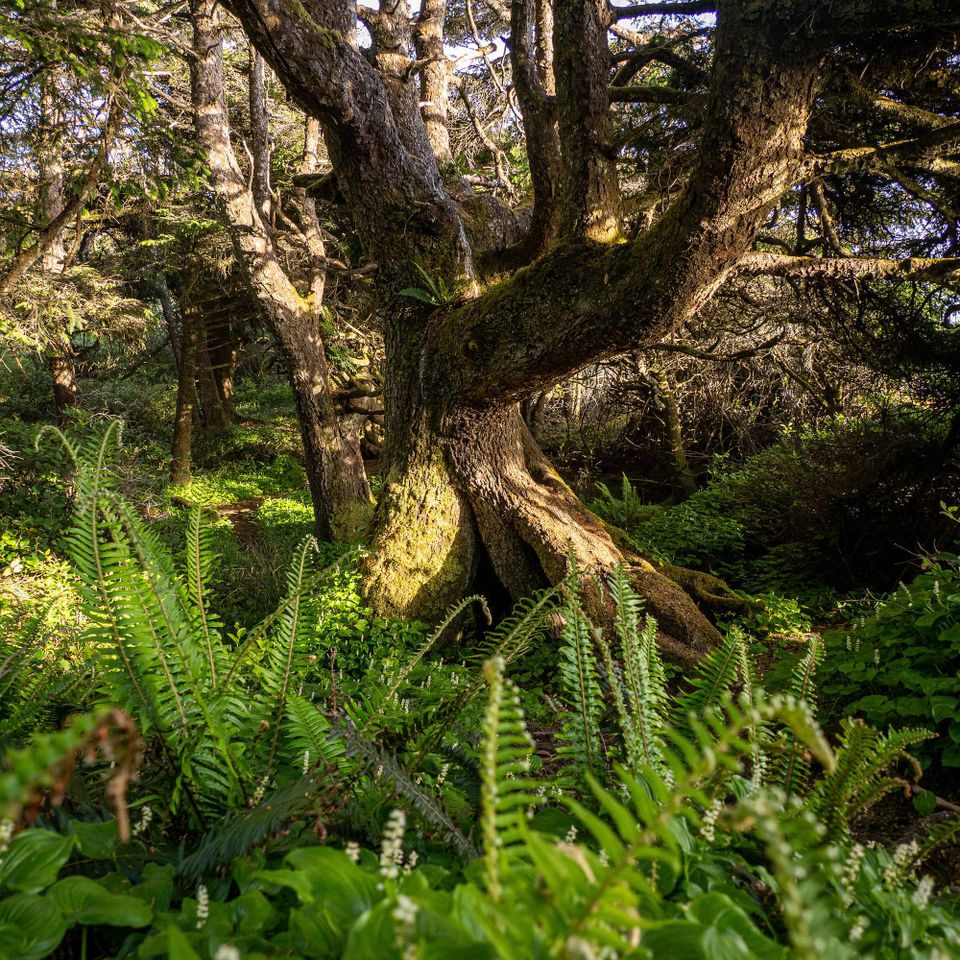
Welcome to EcoWest News, a weekly round-up of news and resources that you can put to use in addressing environmental issues and protecting the wild in your community.
Biodiversity
The Manitoba Wilderness Committee is urging the provincial government to give nature in Nopiming Provincial Park time to recover from a massive wildfire in 2025. They recommend a moratorium on new industrial activities, conservation of caribou habitat, increased engagement with First Nations whose lands overlap the park, and investment in recreational infrastructure. [The Narwhal]
ʔAkisq̓nuk First Nation is launching a series of scientific and economic studies on Lake Windermere and Columbia Lake, BC, to determine what types of recreation are compatible with the long-term health of the lakes. [CBC]
Metro Vancouver transit authority has added two new summer-only bus routes to regional parks and increased service on routes serving popular recreation spots. [CBC]
Animals change their behaviour based on the presence of humans, and the impact is greater in less-developed, natural settings. “In addition to habitat preservation, efforts to skillfully manage the timing and intensity of human activity – such as limiting traffic during key periods or reducing disturbance in sensitive habitats – may help wildlife and people coexist.” [Futurity]
Protecting the Environment
Campbell River residents are using every tool at their disposal to preserve urban wetlands and forest adjacent to Simms Creek, home to four salmon species. [The Tyee]
Waste
Food sensors that track temperature, humidity, and air quality inside trucks, warehouses, and grocery storage areas could help prevent food waste. [McMaster News]
Energy
Computer scientists and engineers are developing energy-saving algorithms and processor designs and carefully considering where, and how, data centers are constructed to reduce the energy needed to fuel AI. [Knowable]
Can more efficient cars, heaters, and other appliances really help stave off climate change? Yes and no. Keep an eye on autonomous vehicles, greater energy usage in the Global South, and carbon pricing. [Anthropocene]
Air conditioners and heat pumps rely on refrigerant chemicals that could become greenhouse gases with warming effects thousands of times greater than carbon dioxide if released into the atmosphere. More attention needs to be paid to what refrigerants are being used, how they are working, and how they are disposed of. [Dialogue Earth]
Have Your Say
Ecojustice and other environmental organizations are inviting Canadians to speak out against proposed changes to Canada’s pesticide laws that would give the government the power to override science-based risk assessments for political reasons. [Ecojustice, National Farmers Union]
Nature Regina is encouraging its members to oppose the proposed extension of Prince of Wales Drive through the McKell Wascana Conservation Park. [Nature Regina, Wascana View Action Group]
Making a Difference
Nearly half the stopover spots used by birds migrating across the United States are in urban areas. “The actions that we take where we live, which for most people today is in cities – those matter a lot for migratory birds.” [The Revelator]
“Although often slow and incomplete, our efforts to tackle climate change have made a tangible difference. We have averted the worst climate future once thought possible.” [The Conversation]
Choices
Colorado residents will be able to add $5 to their car registration to fund wildlife crossings that will reduce collisions with wildlife, protect humans and animals, and save drivers money. [Planetizen]
Calgary city council voted 10-5 to repeal the climate emergency declaration passed by the previous city council. While some councillors viewed the declaration as symbolism rather than substance, others viewed the repeal as a step backwards on an issue the public believes needs to be taken seriously. [Calgary Herald]
Nature’s Wonders
“You never know what’s hiding under a log or lurking behind a leaf.” Excellent tips when heading out on a bug safari. [The Wildlife Trusts]
The fate of lots of small things hinge on the fate of a few very big ones. Take the story of the dung beetle and the elephant and its impact down the line on everything from nutrient recycling to seed dispersal. [Anthropocene]
Photo credit: https://www.flickr.com/photos/apmckinlay/55301603758
EcoFriendly West informs and encourages initiatives that support Western Canada’s natural environment through its online publication and the Nature Companion website/app. Like us on Facebook, follow us on BlueSky, X, and Mastodon, or subscribe by email.
Member discussion