
EcoWest News, March 17, 2026
Welcome to EcoWest News, a weekly round-up of news and resources that you can put to use in addressing environmental issues and protecting the wild in your community.
Biodiversity
“It’s time to start appreciating the unloved beasts, both for the vital ecological roles that many of them play and for their intrinsic worth … Would we care more if we knew that snakes protect their babies, vultures use tools, alligators dance to attract mates, or rats help their friends?” [The Guardian]
Data from tracking whooping cranes have identified changes in the birds’ migratory habits. Scientists and researchers are using this information to work out ways to support the birds. [The Revelator]
3 unidentified orcas who could belong to a rarely seen killer whale population from the high seas have been spotted in Vancouver harbour. [CBC]
Parks & Protected Areas
Manitoba Parks is holding a come-and-go open house on March 19 to discuss a proposed new provincial park at Lemay Forest, Winnipeg. [Manitoba]
Canada set a goal of protecting 30% of its land and waters by 2030 but has made little progress, and conservation groups are concerned the federal government won’t renew its funding of conservation initiatives. [The Narwhal]
Energy
China is less vulnerable than many Western countries to energy shortages resulting from the war in Iran. “Beijing has sought to prepare for a world in which energy security is inseparable from geopolitics—by electrifying its economy, securing domestic sources of energy, amassing stockpiles, and dominating clean technology supply chains.” [Inside Climate News]
Ann Arbor, Michigan, is setting up its own clean energy utility that will operate alongside the traditional privately-owned utility. Both renters and property owners are expected to benefit from lower utility rates while the city will be responsible for outfitting individual properties with solar panels and backup batteries. [Grist]
Forests
Just weeks after a wildfire, pyrophilus fungi emerge from the burnt ground and release spores. Scientists suspect the fungi “play a big role in helping seeds germinate and get established after a fire”. [bioGraphic]
The panel appointed to map BC's old-growth forests says the province is failing to save them: "Purposely causing extinction is not just a moral failure but also a high economic, ecological and social risk". [CBC]
BC is proposing salvage logging in wildfire-impacted forests. Past experience demonstrates salvage logging is of limited financial value while it degrades forest soils, damages water supplies, and alters peak water flows, increasing the risk of flooding. [The Tyee]
Communications
Cities can win on climate by highlighting “the co-benefits offered by climate policies, including affordability, lower cost of living, and improvements in public health and quality of life … We have to show that climate work is infrastructure work—spend now or spend more later.” [The Energy Mix]
Most people think climate change will primarily affect other people, rating their own risks as less likely and less severe than those of others. We may be able to “reduce the tendency to overoptimism by framing climate risks relation to specific groups rather than, say, humanity as a whole. [Anthropocene]
Making a Difference
Manitoba is considering right-to-repair laws requiring a seller or manufacturer of a designated consumer good to provide the buyers with the parts, tools, software, and manuals necessary to repair the goods. [CBC]
A Toyota plant in Poland is opening a new facility beside its production plant “dedicated to recycling raw materials and parts from end-of-life vehicles … Parts like batteries and wheels will be assessed to be either refurbished, reused, or recycled, while materials like copper, steel, aluminum, and plastics will be separated out and recycled to replace virgin raw materials in new vehicles.” [The Energy Mix]
Nature’s Wonders
80% of bees, including bumblebees, have underground nests and risk drowning due to rainfall and snowmelt. Fortunately, bumblebee queens can breathe and survive underwater for up to a week. [Smithsonian]
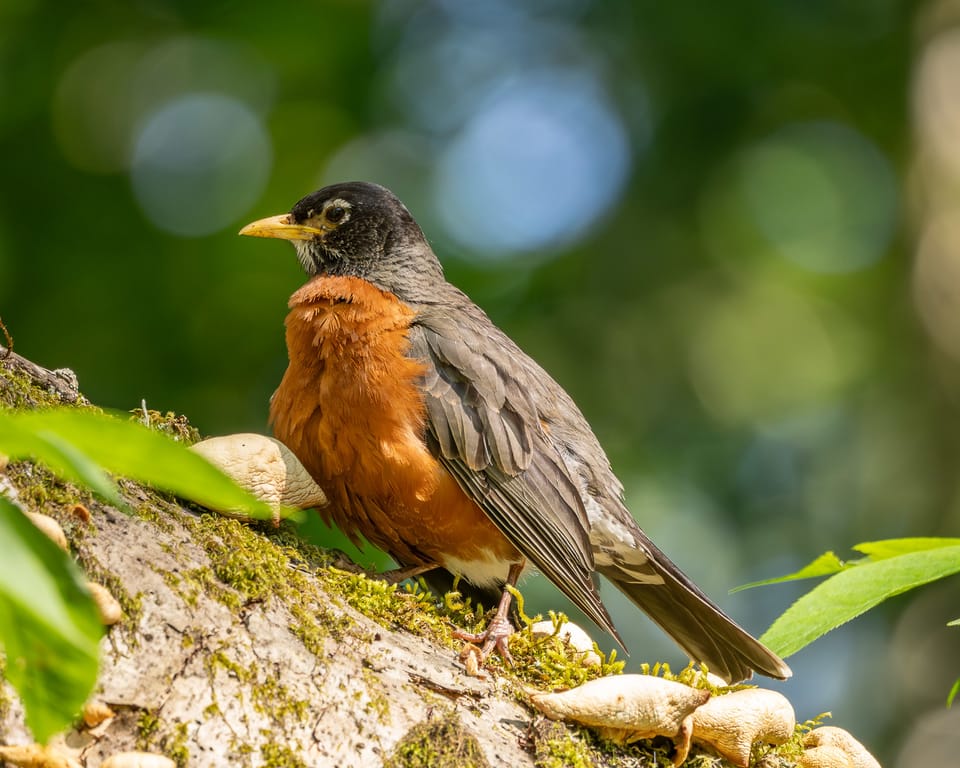
Photo credit: https://www.flickr.com/photos/apmckinlay/53870549585
EcoFriendly West informs and encourages initiatives that support Western Canada’s natural environment through its online publication and the Nature Companion website/app. Like us on Facebook, follow us on BlueSky, X, and Mastodon, or subscribe by email.
Member discussion