
EcoWest News, January 6, 2026
Welcome to EcoWest News, a weekly round-up of news and resources that you can put to use in addressing environmental issues and protecting the wild in your community.
Protecting Wildlife
Lead poisoning – from abandoned lead fishing tackle – is the leading cause of death in loons across North America. Lead buyback programs in New Hampshire and Maine are reducing the number of deaths. [bioGraphic]
The Alberta government is proposing a major overhaul of the Bow Valley’s trail network with the closure of many unofficial trails and new official routes grouped together in areas where they will have less impact on wildlife. Education is important so trail users understand the rationale behind the new network. [CBC]
The Amazon’s stingless bees, key rainforest pollinators, have been granted legal rights. This makes the bees visible and affirms their essential role in preserving ecosystems. [The Guardian]
Beaver-rich Zurich has set up a beaver call line staffed by ecologists who give advice, assess damages, and evaluate potential compensation. The Swiss believe prevention and compensation are more effective than culling. “It’s important people feel they can control beavers and their activity so they accept them,” says a biologist who “believes animals such as beavers, wolves and lynx should not be reintroduced without a system to deal with conflicts that inevitably arise.” [The Guardian]
Urban Heroes
Let’s show some respect for pigeons. They’re the unsung hero of every major city in the world. “Next time you look at that bird, in life, just remember that pigeon used to do your work for you. They carried our messages, fought in our wars, and thrived in our mess. Pigeons might have been the first birds we domesticated, dating back to ancient Mesopotamia. For a bird that’s stuck with us that long, it’s the least we could do.” [Mother Jones]
The Manchester Pigeon Rehab Facebook group’s 3,000 members work collaboratively, each contributing specific skills, to rehabilitate injured pigeons. [The Guardian]
Planning for Extreme Weather
Flooding is the primary climate risk across Canada, but updating flood maps is proving contentious. Homeowners worry about home values and insurance costs, but risk disclosure would allow all parties to invest in appropriate measures. [The Narwhal]
A non-profit organization is helping Maine communities to prepare for extreme weather through local climate action and practical ways to adapt. They have helped towns secure Community Resilience Partnership grants to assess roads, study the health of a nearby lake, audit energy efficiency of city-owned buildings, purchase rooftop solar and geothermal heat pumps, and make weatherization improvements. [Inside Climate News]
New York City is building bluebelts, a series of ponds and wetlands connected to storm sewers that filter the water and release it slowly to reduce flooding, particularly after intense rainfall events. [Inside Climate News]
Energy Efficiency
Australians are being offered 3 hours of free power to encourage them to schedule their activities to take advantage of the boost in solar power at midday, thereby taking the pressure off during peak times. [The Guardian]
Making a Difference
Manitoba students have demonstrated that converting school buses from diesel to electric is practical, economically feasible, and makes a huge environmental difference. [UManitoba]
Hospitals worldwide are reducing or eliminating the use of a common anaesthetic that is also a climate super pollutant. Jodi Sherman, anaesthesiologist, says, “It has a relatively significant impact in health care delivery in a hospital on the ground and it’s something where we have easy fixes.” [Inside Climate News]
The ChopValue franchise takes discarded chopsticks out of the trash and turns them into tables, coasters, cutting boards, and other items. Their Vancouver location brings in 350,000 chopsticks a week from Vancouver International Airport, Simon Fraser University, and various restaurants. [The Tyee]
DIY
If it makes a noise, if it vibrates, if it plugs in or creates light — chances are it contains a lithium-ion battery, and it shouldn’t go in your blue box or your garbage because it could start a fire. [CBC]
Should I pour this (leftover sauce, sour milk, paintbrush cleaning water) down the sink? Probably not – and here’s why. [The Conversation]
Showtime
Dale Hamilton will be touring BC with her one-woman show on natural lawn care, regenerative food growing, and soil health in late February/early March. Contact her if you would like to include the show as part of your organization’s programming. [Everybody’s Theatre Company]
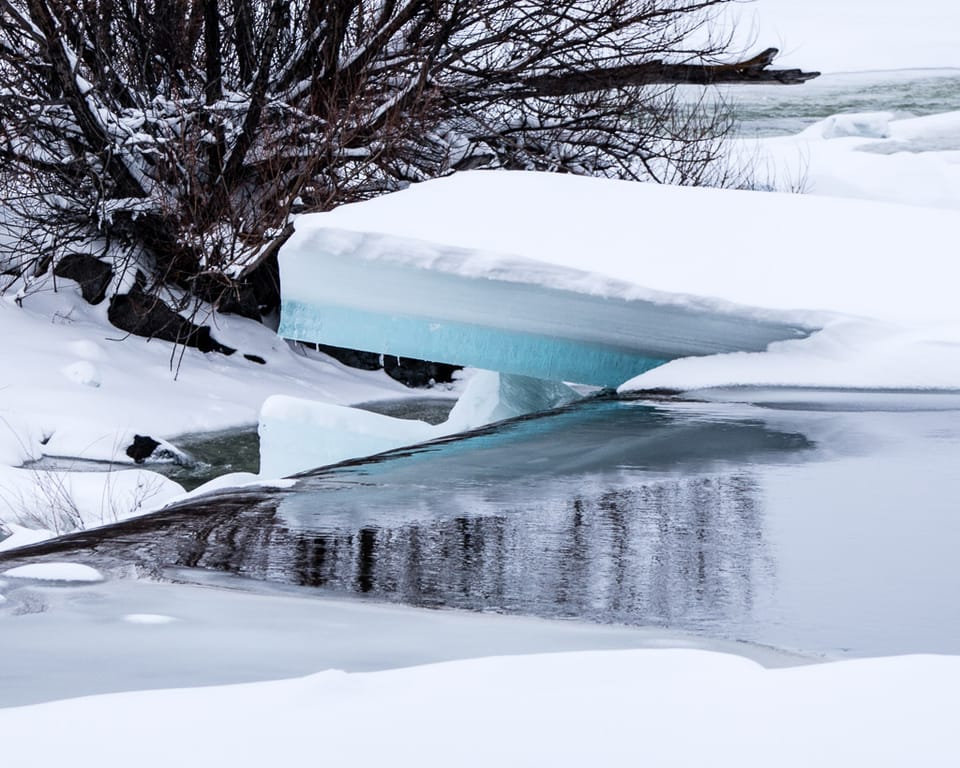
Photo credit: https://www.flickr.com/photos/apmckinlay/31697824743
EcoFriendly West informs and encourages initiatives that support Western Canada’s natural environment through its online publication and the Nature Companion website/app. Like us on Facebook, follow us on BlueSky, X, and Mastodon, or subscribe by email.
Member discussion