
EcoWest News, February 3, 2026
Welcome to EcoWest News, a weekly round-up of news and resources that you can put to use in addressing environmental issues and protecting the wild in your community.
Biodiversity
Calgary’s Bow River offers an ideal year-round habitat for bald eagles who are becoming more commonplace across the province thanks to conservation efforts. [CBC]
Speaking Up For Nature
Bird Friendly Regina and other Regina residents are concerned about the city’s plans to extend Prince of Wales Drive to Wascana Parkway through McKell Wascana Conservation Park, an important habitat for birds and other wildlife. Additional information is available on Bird Friendly Regina’s Linktree and from the Wascana View Action Group.
26 environmental and labour groups have signed a letter urging the Manitoba government to make bold investments in climate action (strengthening public transit, reducing energy usage, and protecting nature) to avoid “offloading costs and irreparable losses onto the next generation.” [CPAWS MB, The Narwhal]
48 species listed as endangered federally aren't recognized as species at risk in BC and don't qualify for measures that could save their habitat from destruction or disturbance. “Expediting development at the cost of protecting biodiversity and natural areas represents a false economy. Bat-friendly forestry practices, for example, help sustain insect control services that support forest health and reduce management costs that will inevitably arise later.” [Vancouver Sun]
Making a Difference
The BC Rare and Culturally Significant Seed Bank has begun preserving seeds from rare and culturally significant native plant species. They hope to be able to repopulate critical ecosystems, such as the Garry Oak ecosystem, in the event of a disaster. [Capital Daily]
Saskatchewan’s 15-20,000 pronghorns live at the northern edge of the species’ range and migrate annually. The government, in partnership with the Global Initiative on Ungulate Migration, will be stepping up efforts to protect seasonal migration routes. [Saskatchewan]
If passed, Oregon’s 1% for Wildlife bill would increase the state’s current hotel and lodging taxes (one of the lowest in the US) by 1.25%, creating a new revenue stream to support habitat conservation programs. [Mother Jones]
Energy Options
Quatsino First Nation on northern Vancouver Island aims to provide its community with reliable power at lower cost through wind, solar, and tidal renewable energy projects. There are challenges in launching small, local energy projects, but Quatsino shows that it is possible. [The Narwhal]
The pros and cons of building and operating a large nuclear reactor in Saskatchewan. [CBC]
A study in California finds that even small increases in EV adoption lead to measurable drops in neighbourhood-level air pollution. Air pollution leads to lung and heart problems and even premature death. [Grist]
Changing Climate
It’s been a good year for snow at higher elevations in the BC Interior, but the valley bottoms are dry. With a warmer climate, the snowline is rising, and drier valleys have consequences for wildlife and ecosystems. Rapid snowmelt in the spring could lead to flooding. [Wildsight]
Nature’s Wonders
By learning from other whale populations, Canada’s humpback whales are regaining cultural knowledge, such as bubble-feeding techniques, that will help them survive. [Oceanographic]
Thanks to underwater acoustic monitoring, we now know that black rockfish make a long, growling sound like a frog croak while quillback rockfish make a series of short knocks and grunts. The rockfish make specific noises during different activities, whether it’s feeding, chasing, or courtship. [The Conversation]
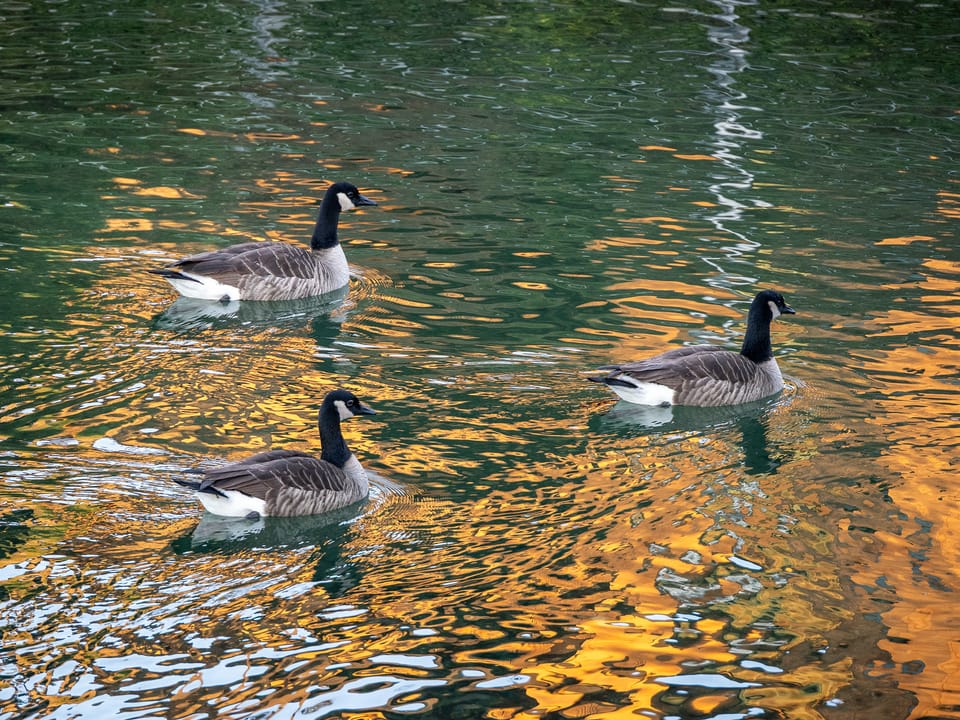
Photo credit: https://www.flickr.com/photos/apmckinlay/55072353966/
EcoFriendly West informs and encourages initiatives that support Western Canada’s natural environment through its online publication and the Nature Companion website/app. Like us on Facebook, follow us on BlueSky, X, and Mastodon, or subscribe by email.
Member discussion