
EcoWest News, December 2, 2025
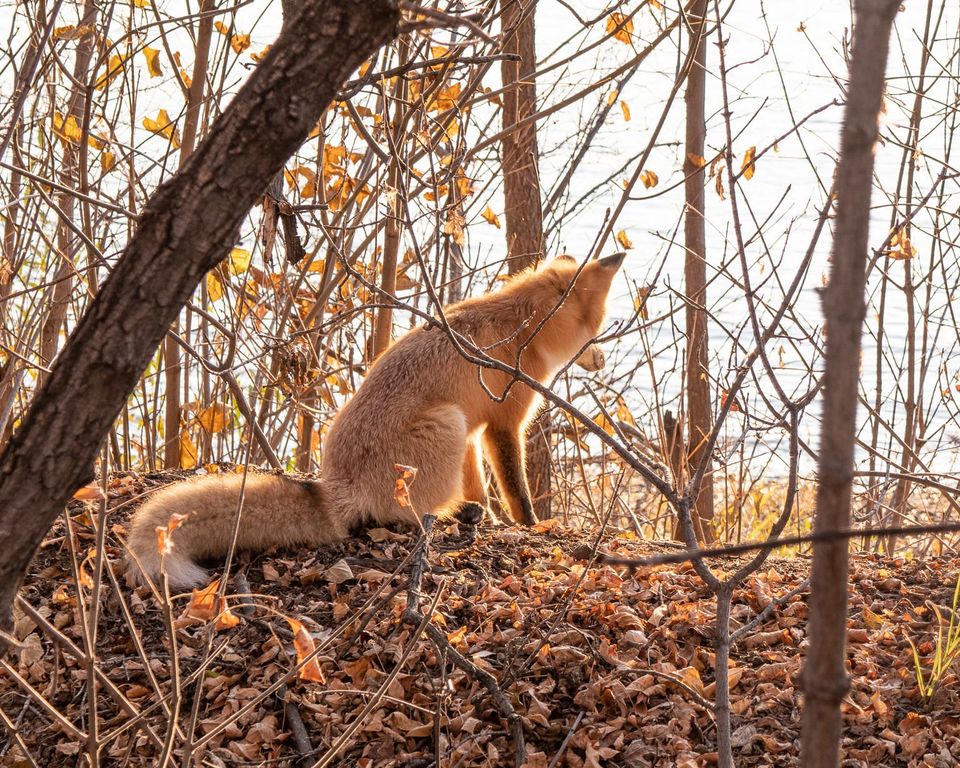
Welcome to EcoWest News, a weekly round-up of news and resources that you can put to use in addressing environmental issues and protecting the wild in your community.
Across the West
Manitoba has signed onto an Ontario-led proposal to create a national energy grid linking neighbouring electrical utility systems. [CBC]
Climate Action Team Manitoba says the province can meet growing peak energy demand by investing in grid-scale battery energy storage and wind power rather than the proposed fossil gas-fired power plant near Brandon. [Climate Action Manitoba]
CPAWS Northern Alberta and the Alberta Wilderness Association have been granted permission to appeal the CEO of the Alberta Energy Regulator’s (AER) decision to cancel a public hearing for Summit Coal Inc.’s Mine 14 project. [CPAWS NAB]
Bill 7: Water Amendment Act would make several changes to Alberta’s Water Act around water use reporting, transferring licenses, holdbacks, and moving water between basins. This article reviews the implications of the changes, particularly as they would impact the Oldman basin. [Oldman Watershed Council]
Using computer modeling, University of Alberta researchers can identify high priority areas, predicted to be less vulnerable to climate change, for conservation of old-growth forest. Less than 12% of BC’s old growth is both protected and within climate refugia. [UAlberta]
ShareWare provided BC Place with reusable cups for 54,000 people attending a soccer game last weekend, then took them back, washed them, and they’re now ready to be reused. Other hospitality businesses are also reducing waste by cutting food waste, using cloth napkins, and installing water fountains. [CBC]
Across Canada
Railways provide wildlife with an easy transportation corridor and plenty of food (light-loving plants, spilled grain), but trains kill hundreds of animals every year. An early warning system exists and could save lives: why aren’t we using it? [The Narwhal]
An energy expert lays out the flaws and fallacies behind plans to build a northern pipeline. Calling it part of the Great Fossil Fuel Blowout, he “doesn’t think the fast spending of a finite resource with severe biological and climate consequences is a wise practice.” [The Tyee]
Around the World
The world’s mountains are warming faster than the surrounding lowlands, threatening vital stores of fresh water held in glaciers and snowpack and increasing the risk of flooding. [Yale Environment 360]
Making a Difference
The City of Kamloops has embedded mapped wildlife corridors into its Official Community Plan. This will help to ensure that linkages between ecosystems remain intact even as the city grows. [Thompson-Nicola Conservation Collaborative]
People living on BC’s coast are hosting technology that can detect whales in hopes of safeguarding the marine mammals that pass through. [CBC]
A butterfly-led rewilding project in Costa Rica has turned a former cattle pasture into a lush rainforest. [BBC]
In 2025, 9 organizations began discussing ways of integrating nature as a stakeholder in their governance structures. One organization, EcoShift, has made Mother Nature a shareholder with voting rights. [Nature Governance Program, Earth Law Centre]
Biodiversity
Canada’s new Burrowing Owl Alliance is focused on collaborative initiatives to address the ongoing decline of burrowing owls. Their website provides resources for landowners as well as publication links. [Burrowing Owl Alliance]
Photographers should not leave out bait to photograph snowy owls as “the owls can become habituated to being fed by people. This disrupts their natural hunting behaviours and draws them to the roadside, which can lead to collisions with vehicles.” [CBC]
Grizzly bear encounters are rare and often stem from surprise encounters, people encroaching on grizzly territory, or sow grizzlies defending their cubs. Rural communities have demonstrated that co-existence is possible – if there is the political will to facilitate it. [The Conversation]
Photo credit: https://www.flickr.com/photos/apmckinlay/48886945433
EcoFriendly West informs and encourages initiatives that support Western Canada’s natural environment through its online publication and the Nature Companion website/app. Like us on Facebook, follow us on BlueSky, X, and Mastodon, or subscribe by email.
Member discussion